
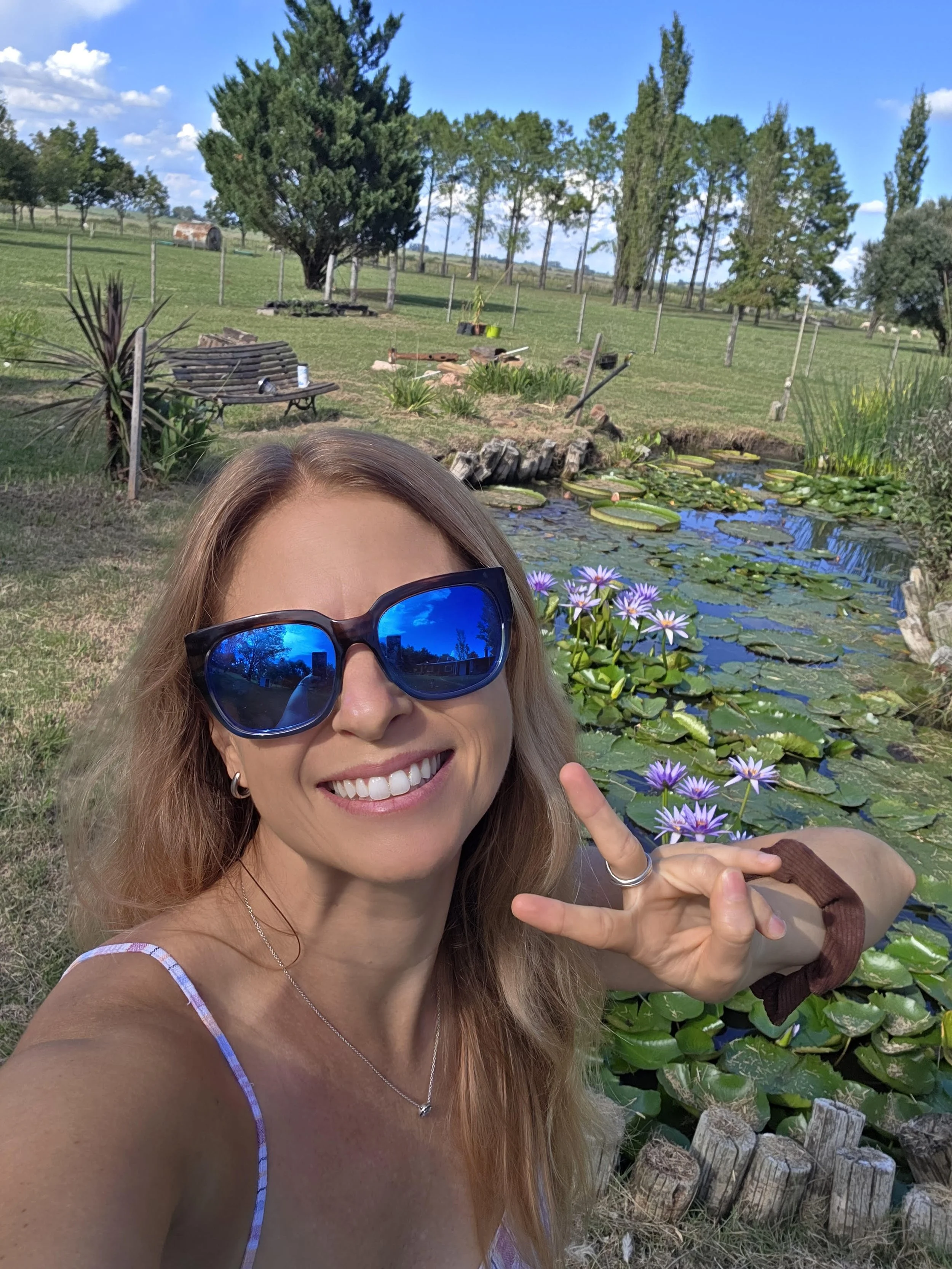
Summer, My Forever Favorite
Here in Argentina, the solstice marks the beginning of winter, and I find myself counting the days until I can return to Canada’s warmth. Living in four-season weather again has made me appreciate summer more deeply. When I lived in Honduras, it was summer all year long — a gift I adored, yet one that dulled my sense of seasonal change. I miss mango season on the island, the way the water warmed in June for scuba diving, and the slower rhythm of low season that gave us time to explore and dive just for fun.
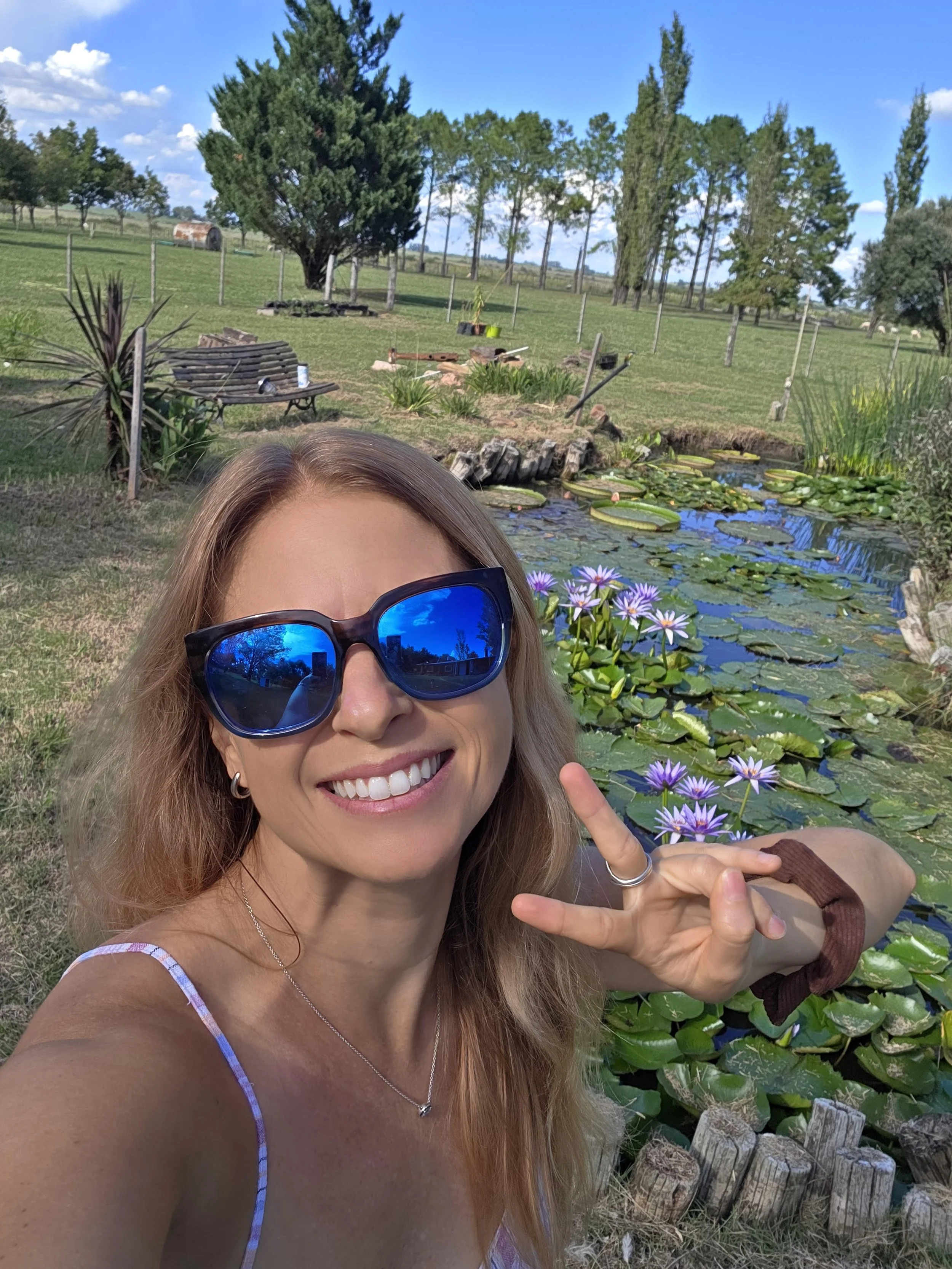
Summer in Argentina
Here in Argentina, the solstice marks the beginning of winter, and I find myself counting the days until I can return to Canada’s warmth. Living in four-season weather again has made me appreciate summer more deeply. When I lived in Honduras, it was summer all year long — a gift I adored, yet one that dulled my sense of seasonal change. I miss mango season on the island, the way the water warmed in June for scuba diving, and the slower rhythm of low season that gave us time to explore and dive just for fun.

Low season in Media Luna, Roatan
In Canada, summer has always been my favorite season. As a child, I spent endless days by the pool, eating far too many Mr. Freeze ice pops, and joining family and neighbors for BBQs. Now, returning home in summer feels like reconnecting with abundance and joy. I cherish long walks with my parents and Winnie, their basset hound, afternoons with my brother and his wife, and playful moments with my niece — swimming, chalk drawings on the walkway, and trips to the park. And of course, summer is the perfect time for soft serve ice cream, a simple pleasure I miss dearly.

Old summer days in Canada
Here in Argentina, summer arrives in December, alongside the holiday season. The garden bursts with tomatoes and peppers, and blackberries find their way into my morning yogurt. Afternoons are spent by the pool with mate or tereré, slices of watermelon, and long walks with the dogs at sunset when the heat finally softens. Sunrise meditation before classes grounds me in the rhythm of the day.
Across continents, summer has always been a season of abundance — of food, of light, of movement. Longer days invite mindful rituals: stretching at dawn, walking at dusk, savoring meals outdoors. Hydration becomes the invisible nourishment of the season — found in juicy fruits, water, and the simple joy of sharing a glass of David’s Tea iced tea with my mom, a moment that nourishes health and deepens connection.
The solstice reminds me that summer is not just warmth and light; it is a cycle of abundance, movement, and care. Wherever I am, I carry its gifts with me — in mangoes and berries, in chalk drawings and sunsets walks, and in the quiet act of honoring the body’s rhythms with nourishment that refreshes both spirit and soul.
Happy Summer Solstice,
Julie
Spring Reset: Finding Energy, Balance, and Joy
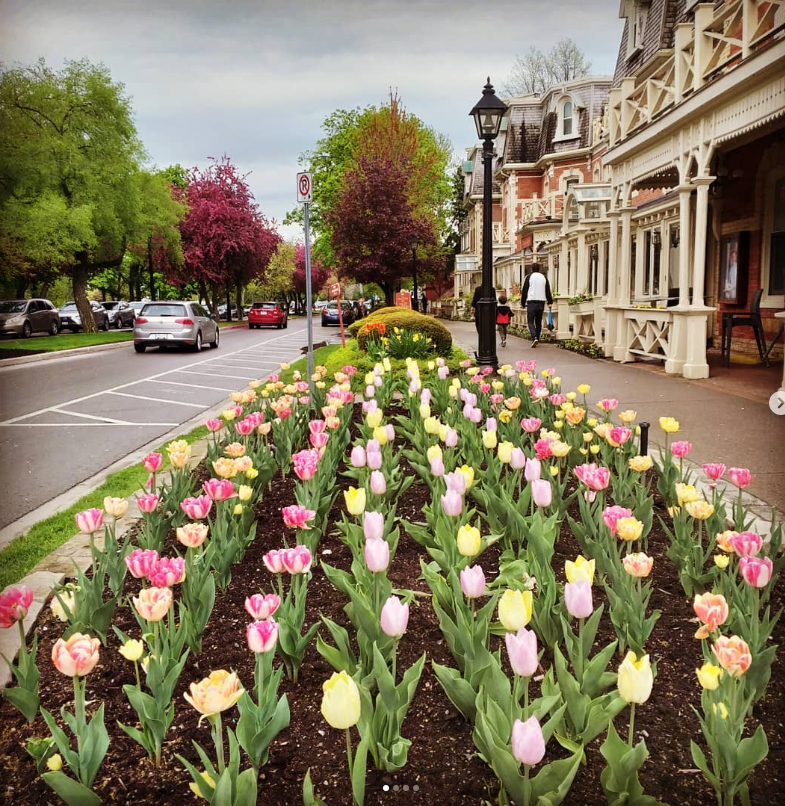
Spring has always carried a special kind of magic for me. In Canada, I remember the joy of finally seeing the sun after long winters, slipping into flip-flops even when the air was still far too cold, and breathing in the unmistakable fragrance of lilacs as they bloomed. Tulips would rise from the soil, bold and colorful, announcing that brighter days had arrived. Those memories feel distant now, softened by time; except for one unexpected return during the pandemic, when I found myself back in Canada just as spring unfolded, reminding me of the beauty I had missed.
Spring has always carried a special kind of magic for me. In Canada, I remember the joy of finally seeing the sun after long winters, slipping into flip-flops even when the air was still far too cold, and breathing in the unmistakable fragrance of lilacs as they bloomed. Tulips would rise from the soil, bold and colorful, announcing that brighter days had arrived. Those memories feel distant now, softened by time; except for one unexpected return during the pandemic, when I found myself back in Canada just as spring unfolded, reminding me of the beauty I had missed.
For fifteen years in Honduras, the rhythm was different; summer stretched endlessly, the sun constant, the seasons barely shifting. Life was warm and vibrant, but I often longed for the gentle transitions, the anticipation of blossoms, the reminder that nature moves in cycles.
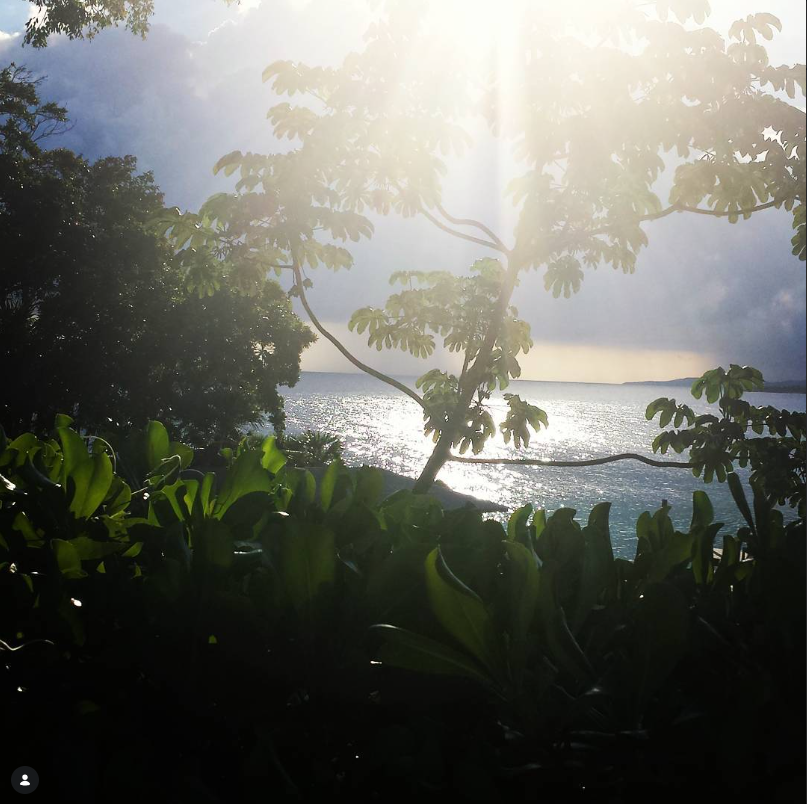
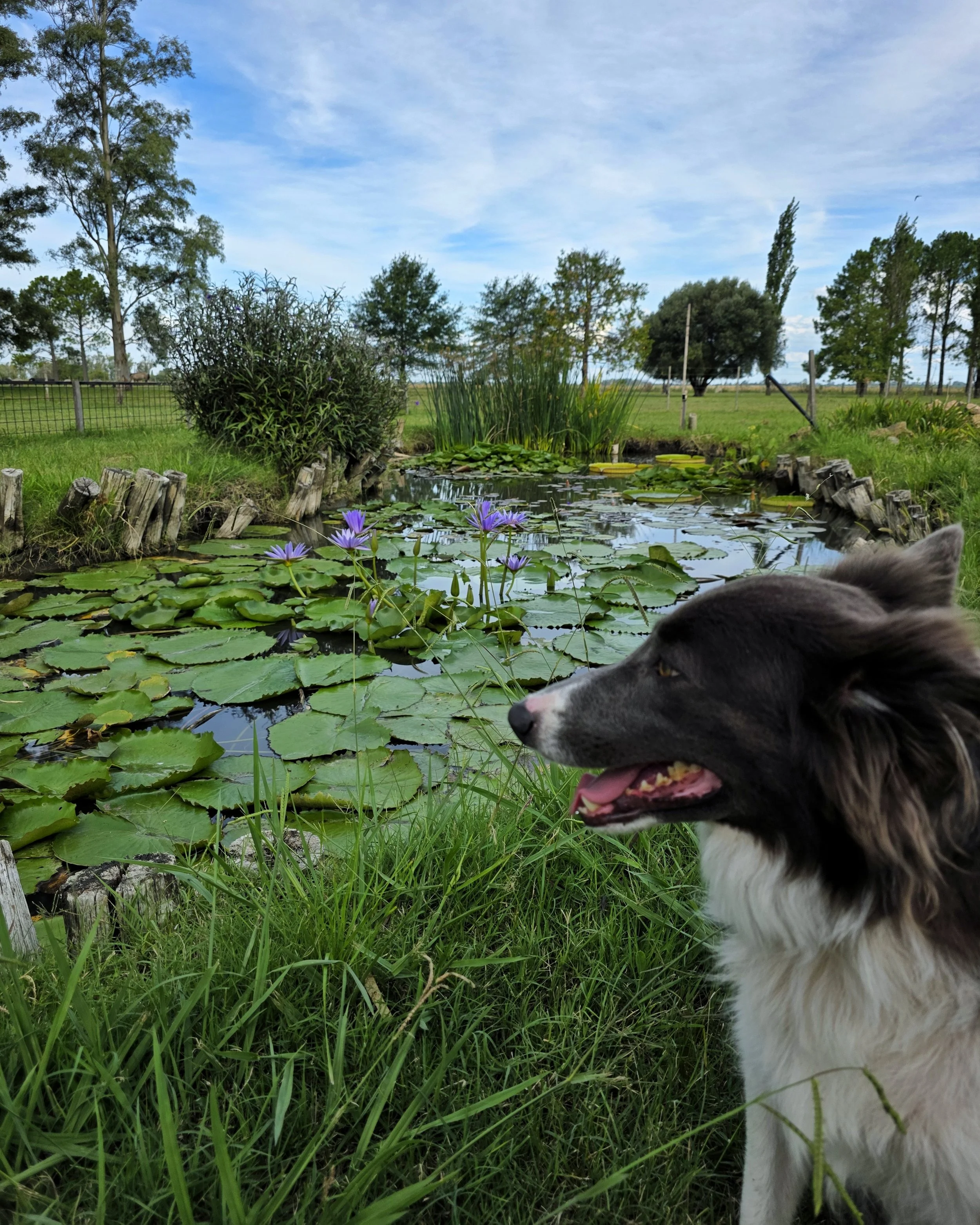
Now, living in Argentina, I rediscover that sense of change. The eucalyptus trees glisten after the rain, magnolia blossoms open, jasmine perfumes the air, and the divine scent of orange blossom lingers like a promise of renewal. Here, spring feels like a rebirth—not only in nature but within myself; a chance to shed old layers, plant new seeds, and embrace balance once again.
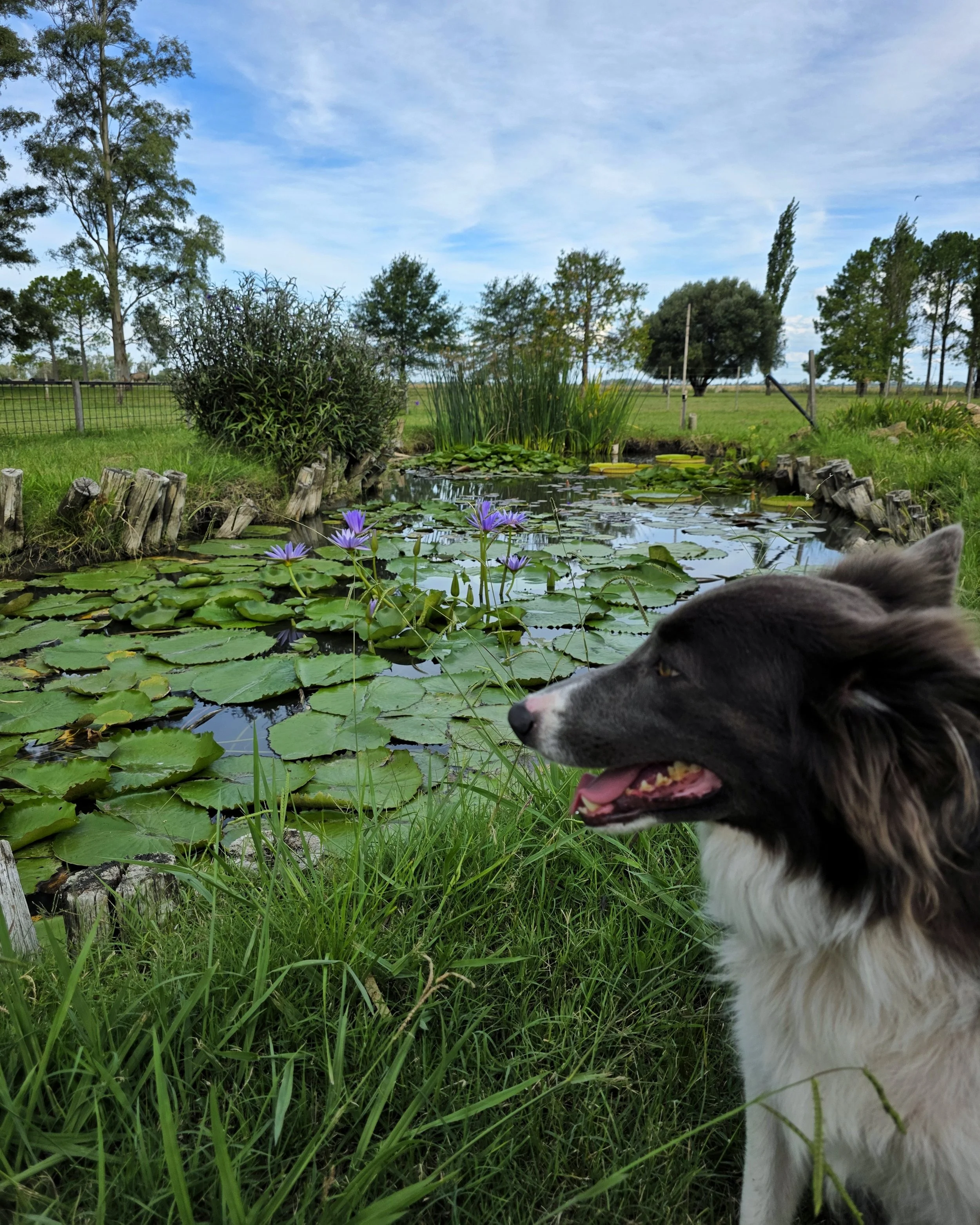
Waterlilies and Filippa
This season of rebirth has echoed in my own journey with Metabolic Balance. I completed my training in November, and to finish the practical part, I had to become my own case study. My parents visited at the time, so my blood work came a little later, in December. The analysis was thorough, 36 biomarkers in total. Most results were normal, but as expected, my cholesterol was high and my creatinine levels elevated. Living in Argentina, I eat far more meat than I did in Canada, and my metabolism hasn’t fully adapted to that shift.
Before starting the plan, I felt sluggish, drained, and stressed. (Not because I didn’t enjoy my parents’ visit, it was wonderful to have them, but the logistics and extra energy required added to my fatigue.) In true overachiever fashion, I decided to begin my plan ten days before Christmas; the worst timing, surrounded by cakes, sugar, and holiday spreads I couldn’t touch.
The first two days of Phase 1, the detox, were rough. Headaches reminded me how much my body needed a reset, especially after the indulgent food and wine of Mendoza. But then came Phase 2, the strict phase. I cut added sugar, limited meat, and leaned into eggs, chicken, fish, and a rainbow of legumes; mung, adzuki, even homemade soy milk and yogurt since they’re hard to find here. At first, the weighing and prepping felt overwhelming, but soon it became rhythm, even joy.
By the end of the strict phase, I could add healthy oils and enjoy one treat meal a week. My first was on New Year’s Eve, and I was astonished. Sweet foods tasted too sweet, as if my taste buds had been reprogrammed. Now, in Phase 3, I’m slowly reintroducing foods one by one, guided by my lab results to optimize my health.
The changes have been profound. I sleep deeply, my stress has lifted, and my energy has returned. My sugar cravings are gone, though I still savor my weekly treat meal without guilt. I’ve lost 9kg of fat, according to my impedance scale, and I’ve returned to running, daily workouts, and meditation. I’m waiting for my three-month blood work to confirm improvements in cholesterol and creatinine, but already I feel renewed, lighter, and more aligned with myself.
Spring reminds us that change doesn’t have to be dramatic, it can be as simple as a fresh bloom or a new flavor on our plate. Just as I’ve reset my own rhythms with Metabolic Balance, you too can welcome renewal through small, nourishing choices.
Try swapping refined grains for whole ones or adding a handful of sprouts to your salad for extra vitality. Explore legumes you haven’t cooked with before: mung, adzuki, or lentils in new recipes. Let seasonal vegetables guide you: tender greens, crisp radishes, or the first asparagus of spring. Even one mindful switch each week can feel like planting a seed for better health.
If you feel called to go deeper, my program Rooted in Balance includes the Metabolic Balance method, the same approach I’ve followed myself. It’s a personalized way to discover which foods truly support your body, helping you find energy, balance, and joy in your daily rituals.
This equinox is an invitation: to listen to your body, to savor the foods that truly support you, and to discover joy in the little rituals that bring balance. Renewal doesn’t happen overnight, it grows slowly, like the season itself.
Wishing you a joyful spring equinox—may this season bring renewal, balance, and light.
Julie
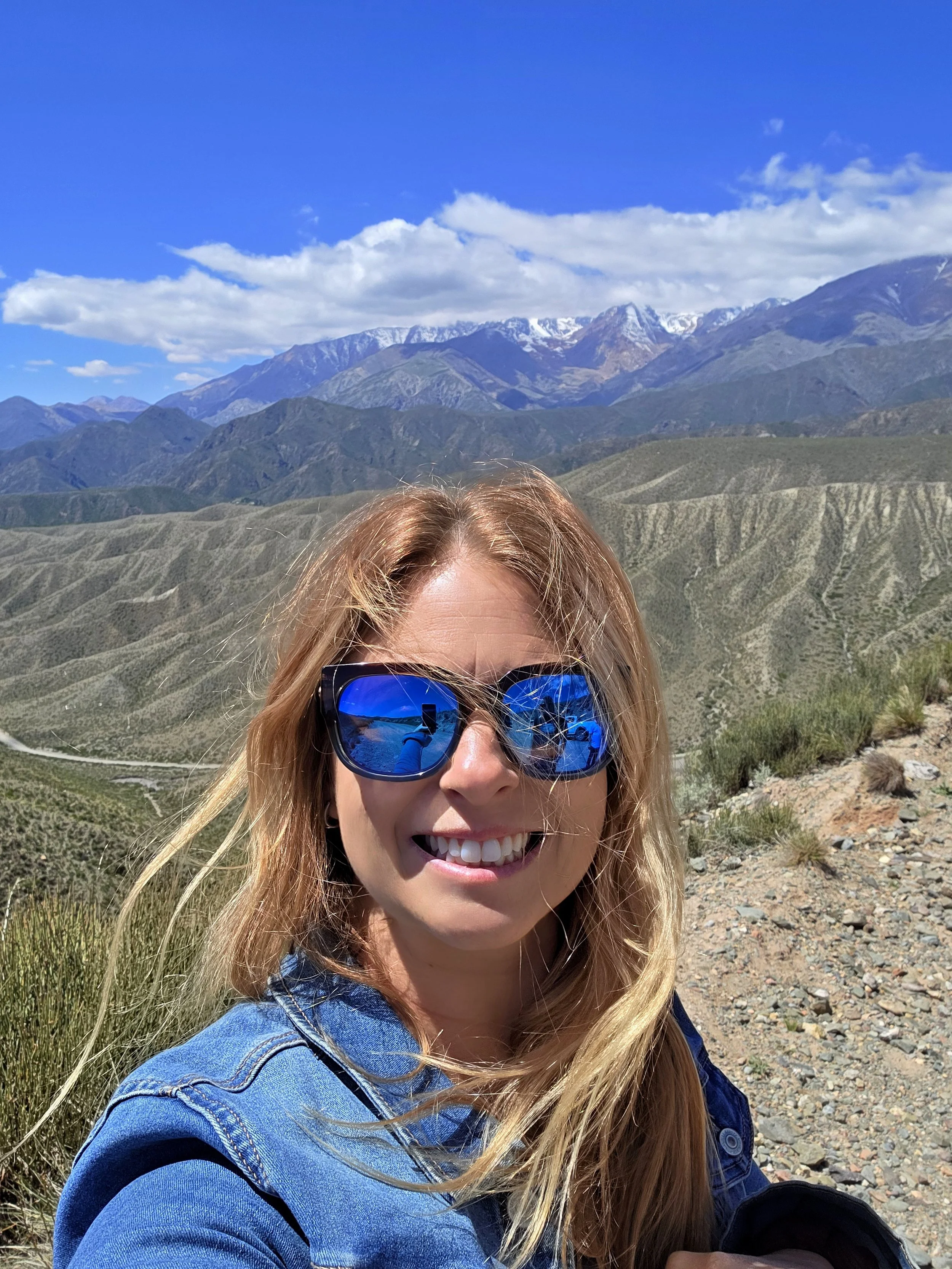
Mountains, Meals, and Memory: A Celebration of Food and Grace
Before the season of gatherings officially began, we had one of our own. My parents came to visit us in Argentina, and last week we traveled to Mendoza—a few days of adventure, beauty, and shared meals that felt like a celebration in themselves.
We traced the curves of the Andes, watched the light dance on Potrerillos Lake, and lingered over wine tastings in sun-drenched bodegas. At Bodega La Azul, the five-course feast was pure indulgence: poached egg, choripán, empanadas, grilled meats, and the most luscious lemon custard and ice cream. A saxophonist played as people danced between bites and sips—abundance in every sense.
Before the season of gatherings officially began, we had one of our own. My parents came to visit us in Argentina, and last week we traveled to Mendoza—a few days of adventure, beauty, and shared meals that felt like a celebration in themselves.
We traced the curves of the Andes, watched the light dance on Potrerillos Lake, and lingered over wine tastings in sun-drenched bodegas. At Bodega La Azul, the five-course feast was pure indulgence: poached egg, choripán, empanadas, grilled meats, and the most luscious lemon custard and ice cream. A saxophonist played as people danced between bites and sips—abundance in every sense.
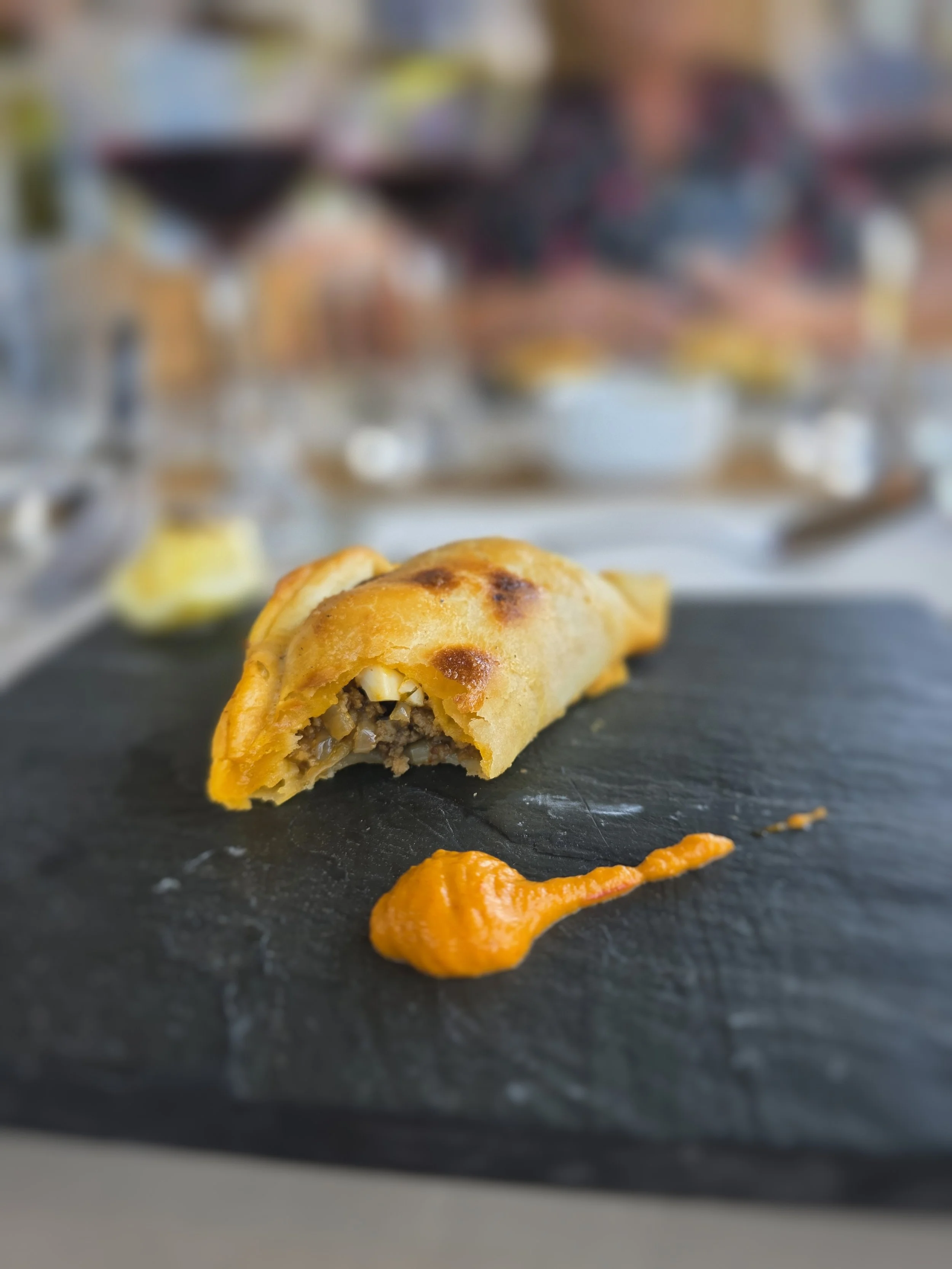
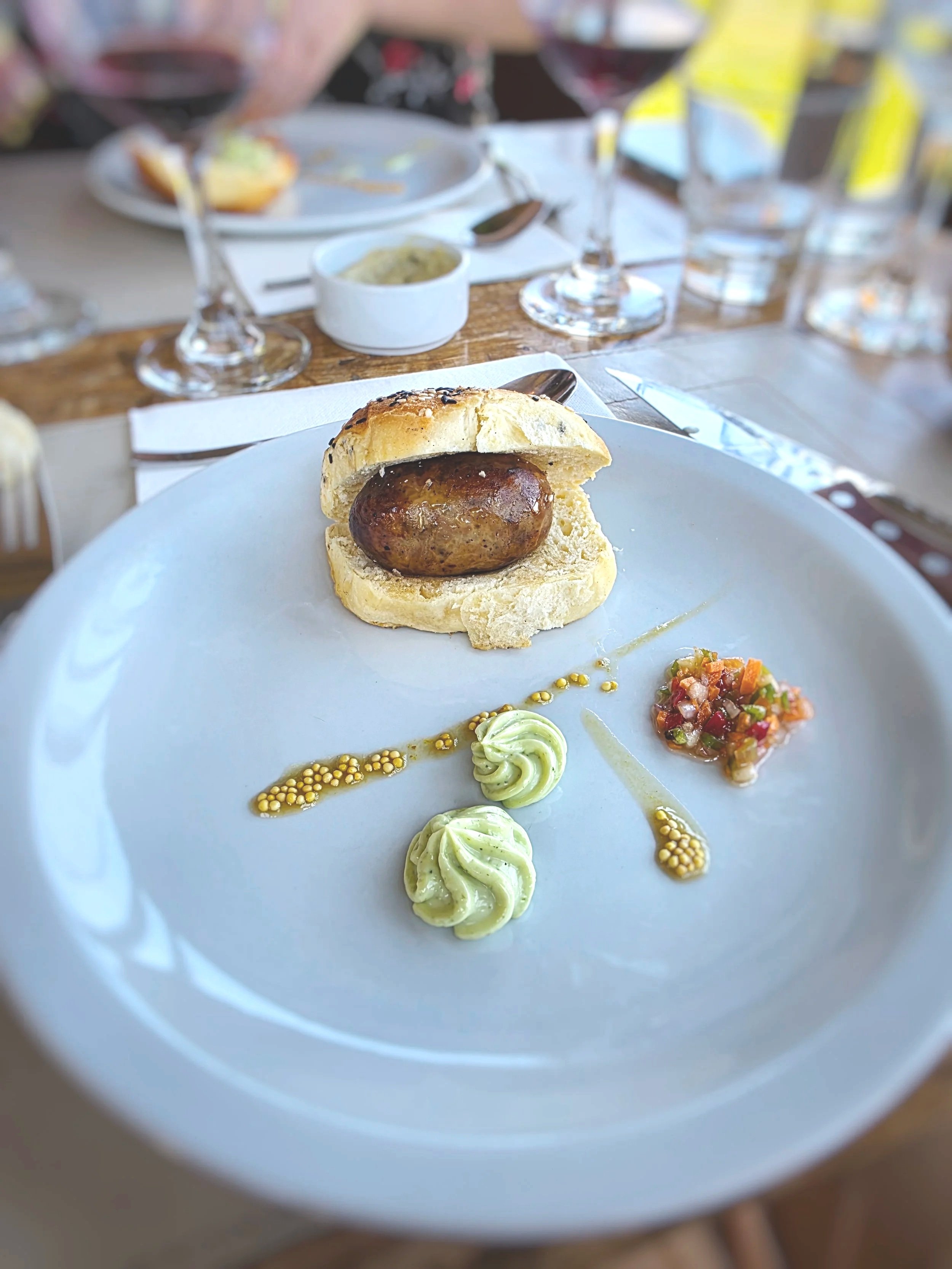
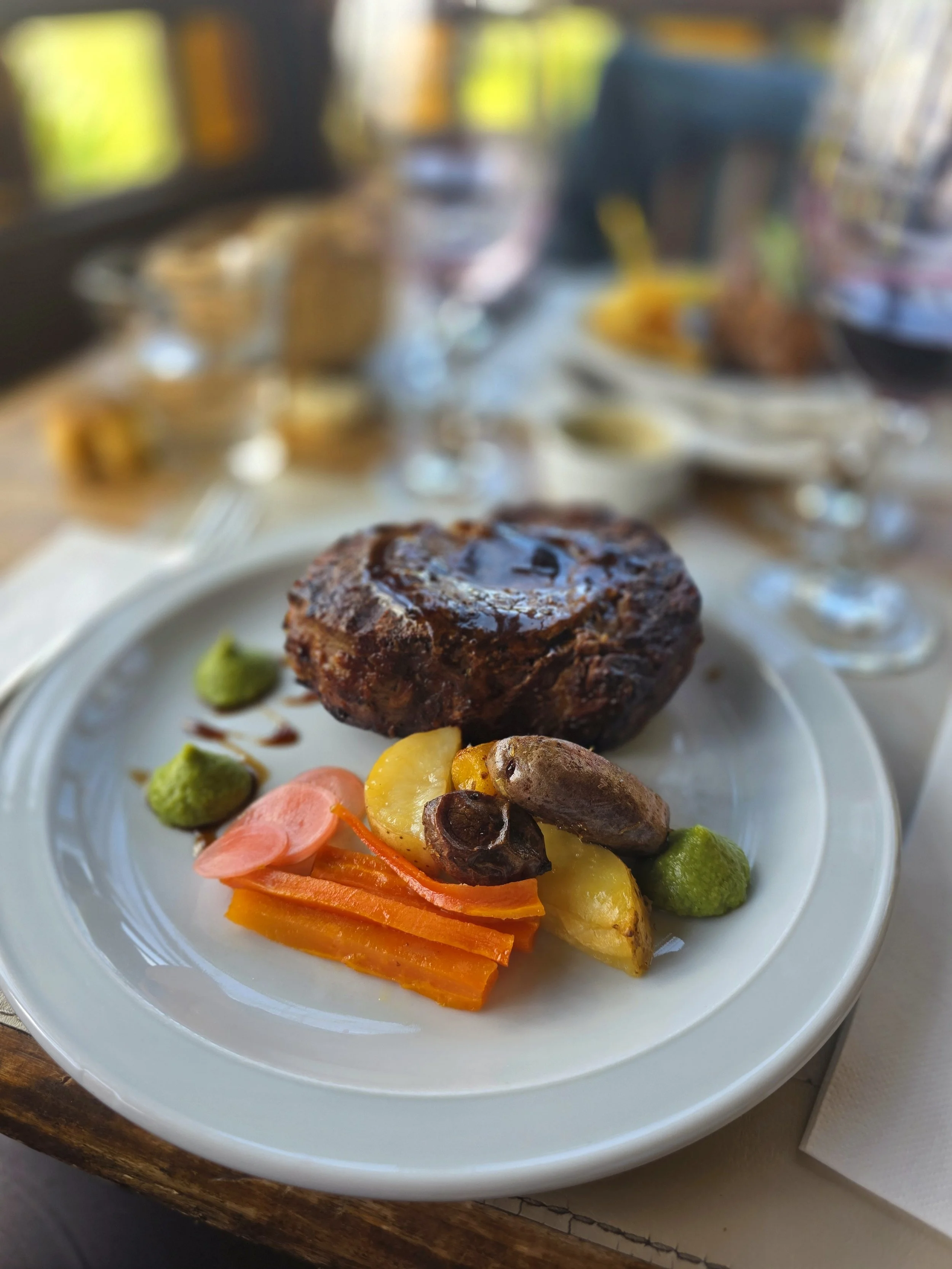
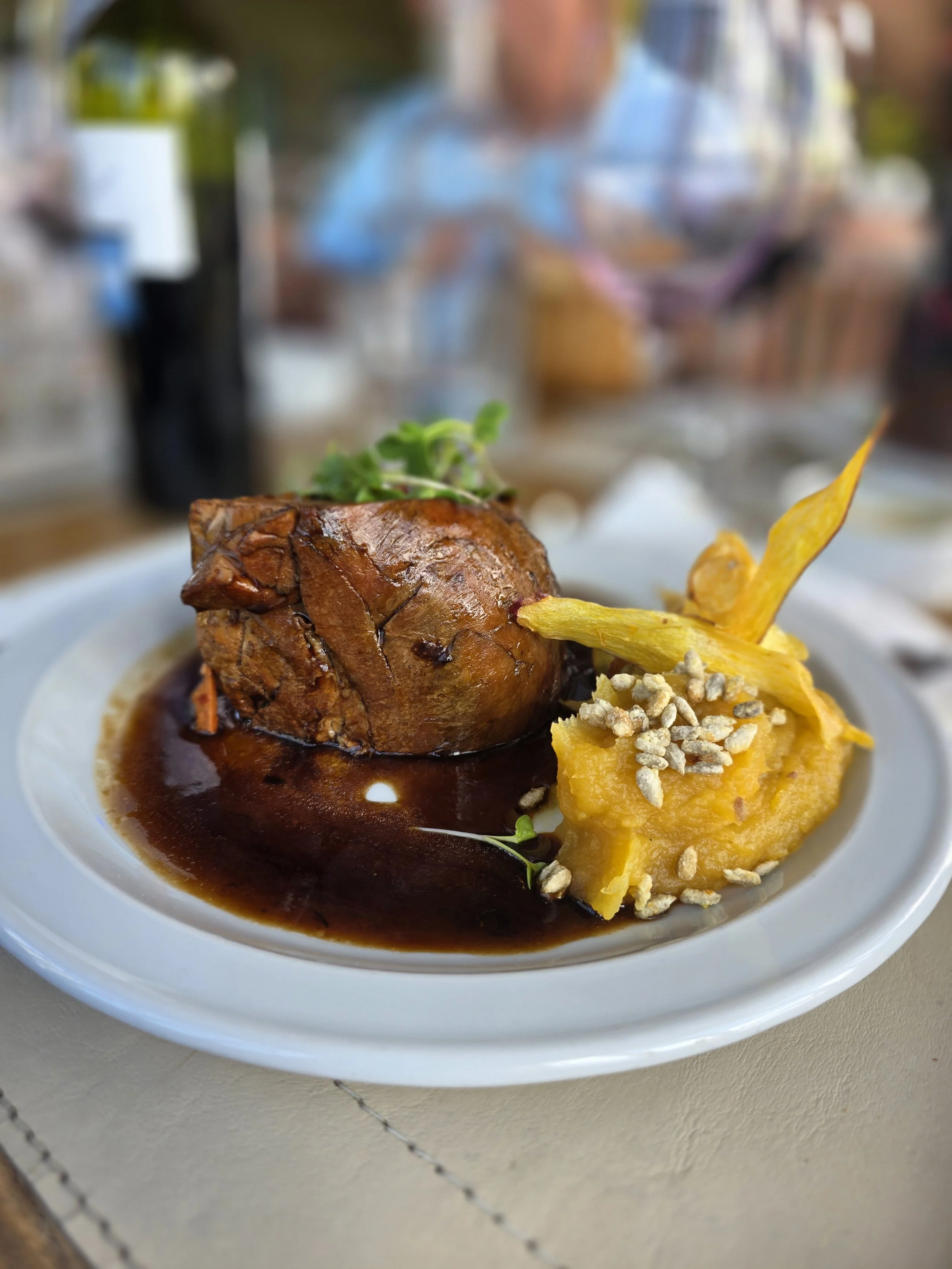
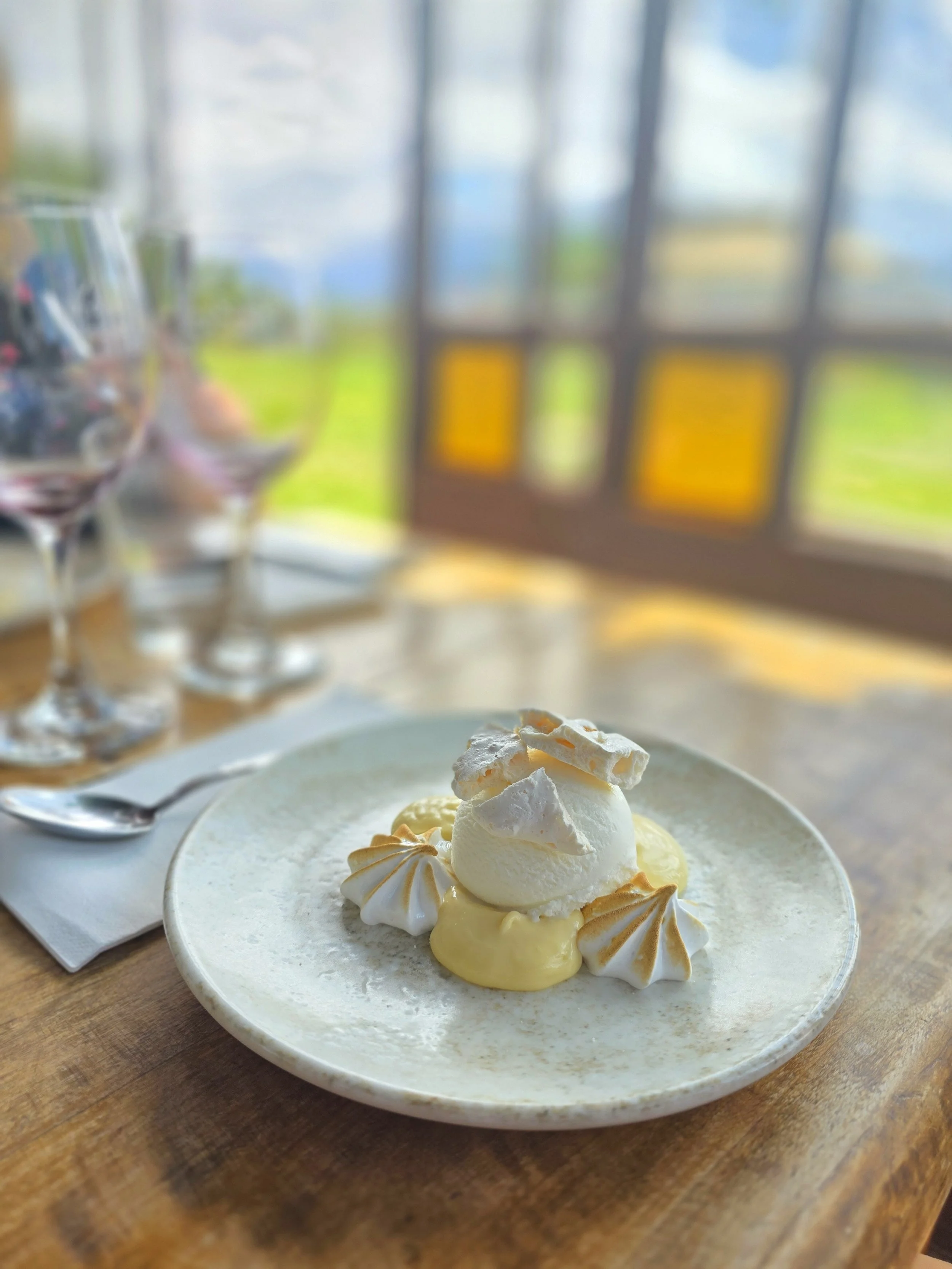
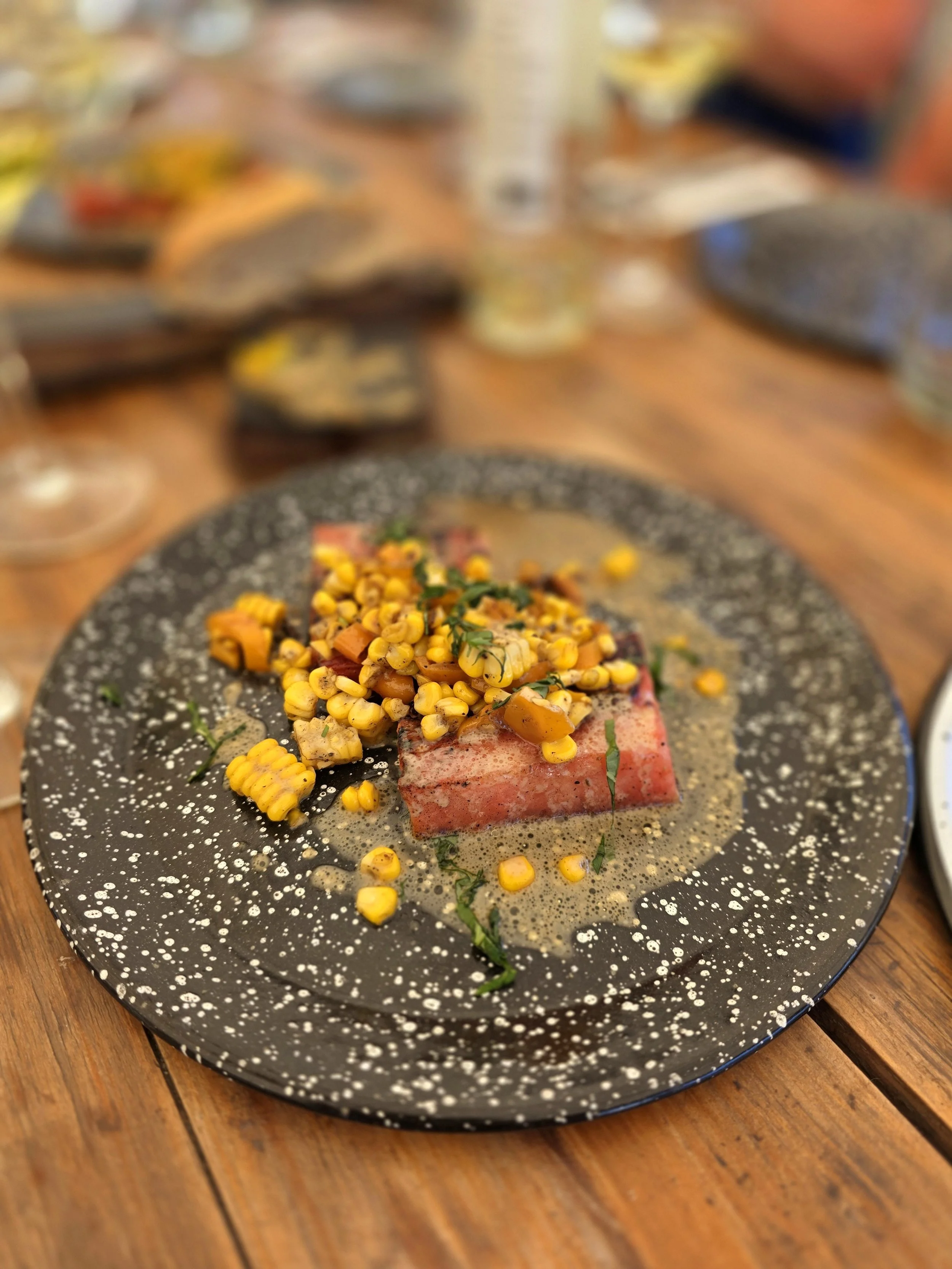
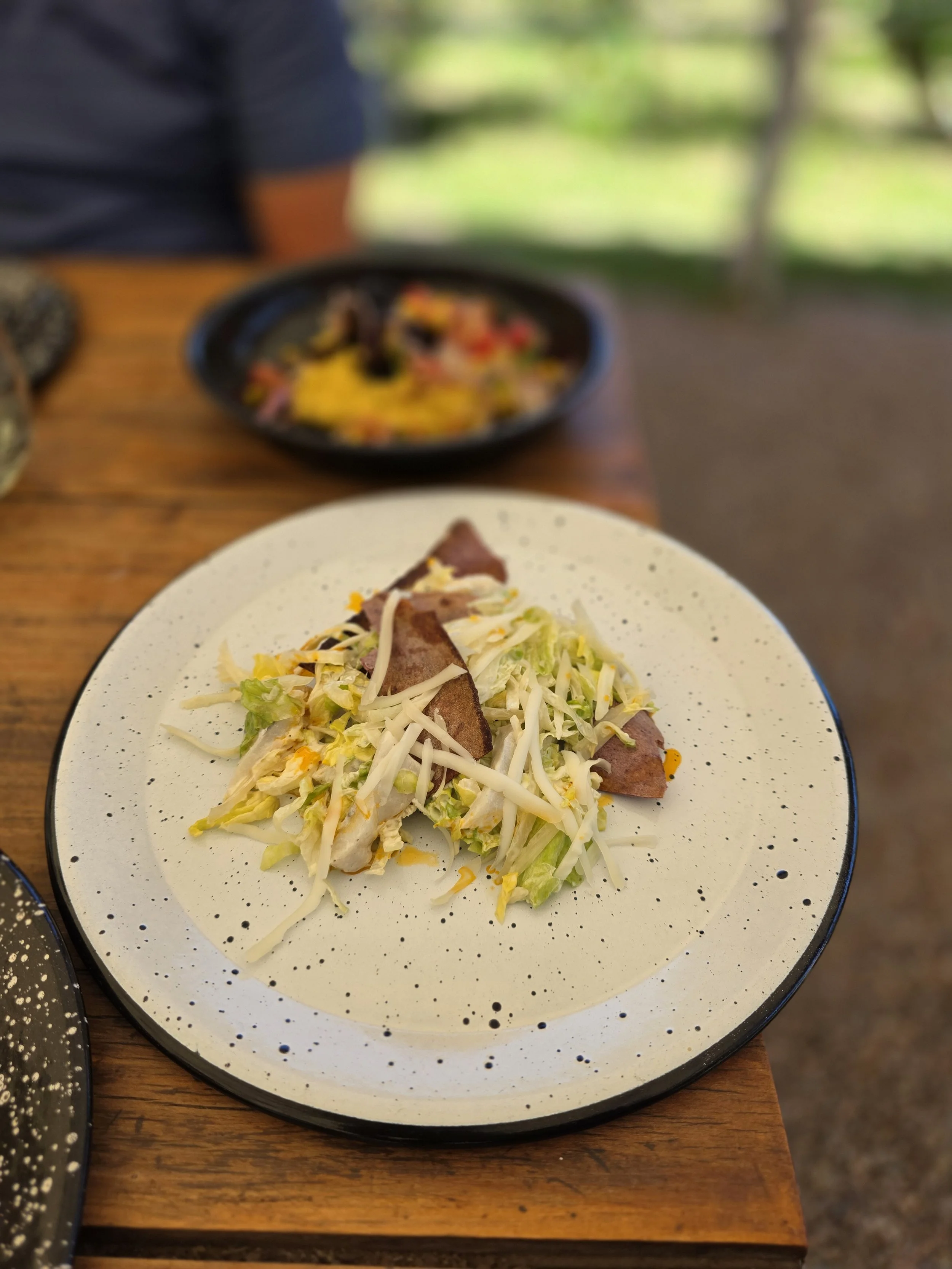
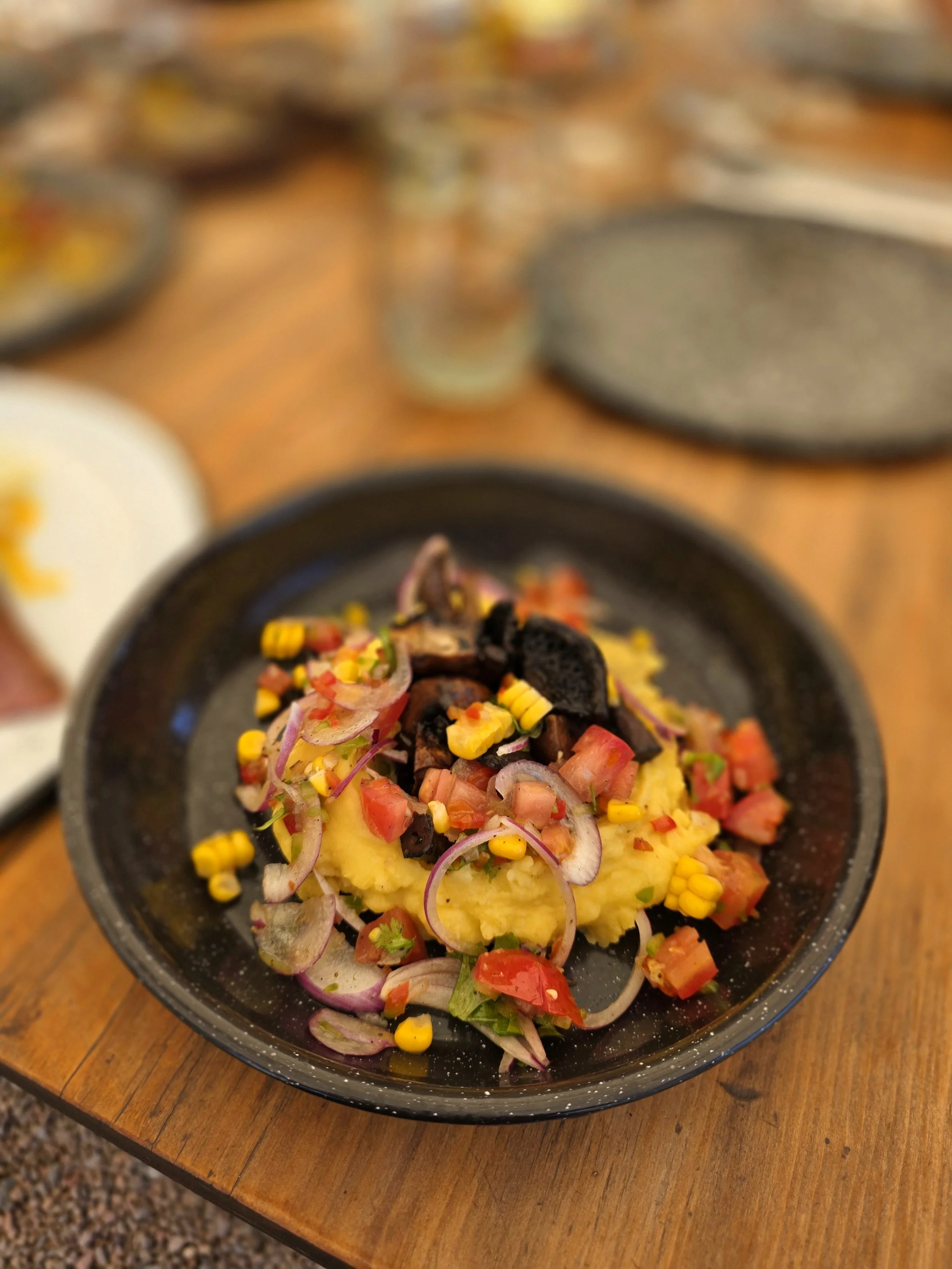
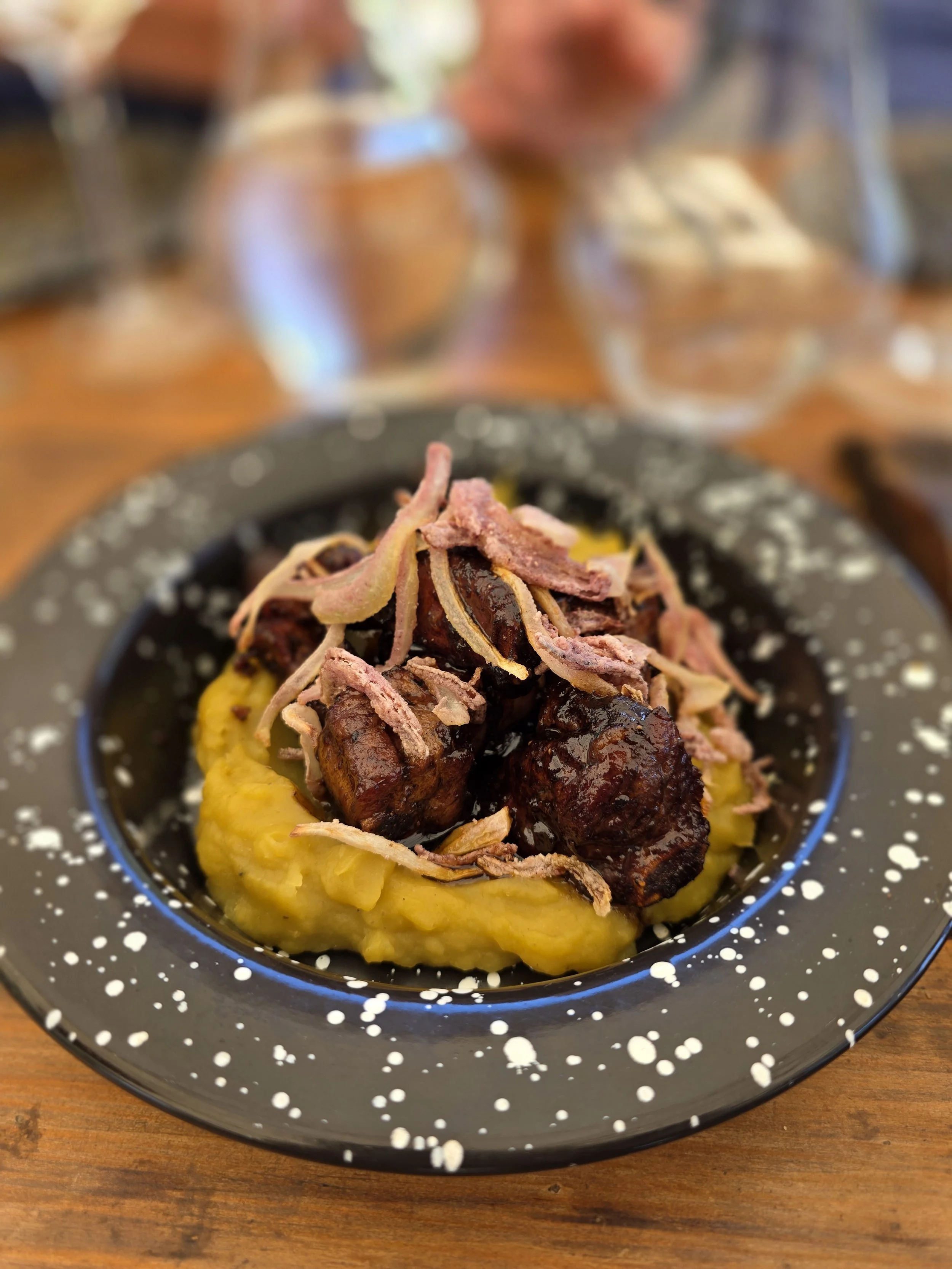
Then came Finca Minimal, a quieter kind of magic. A farm-to-table experience rooted in local produce and shared plates. We tasted watermelon steak with spicy corn, river fish in a citrusy salad, portobello causa that reminded me of my friend Yuri in Roatán, and rabbit paella that brought back Spain. Each dish stirred a memory, each bite a thread in the tapestry of my own food story.
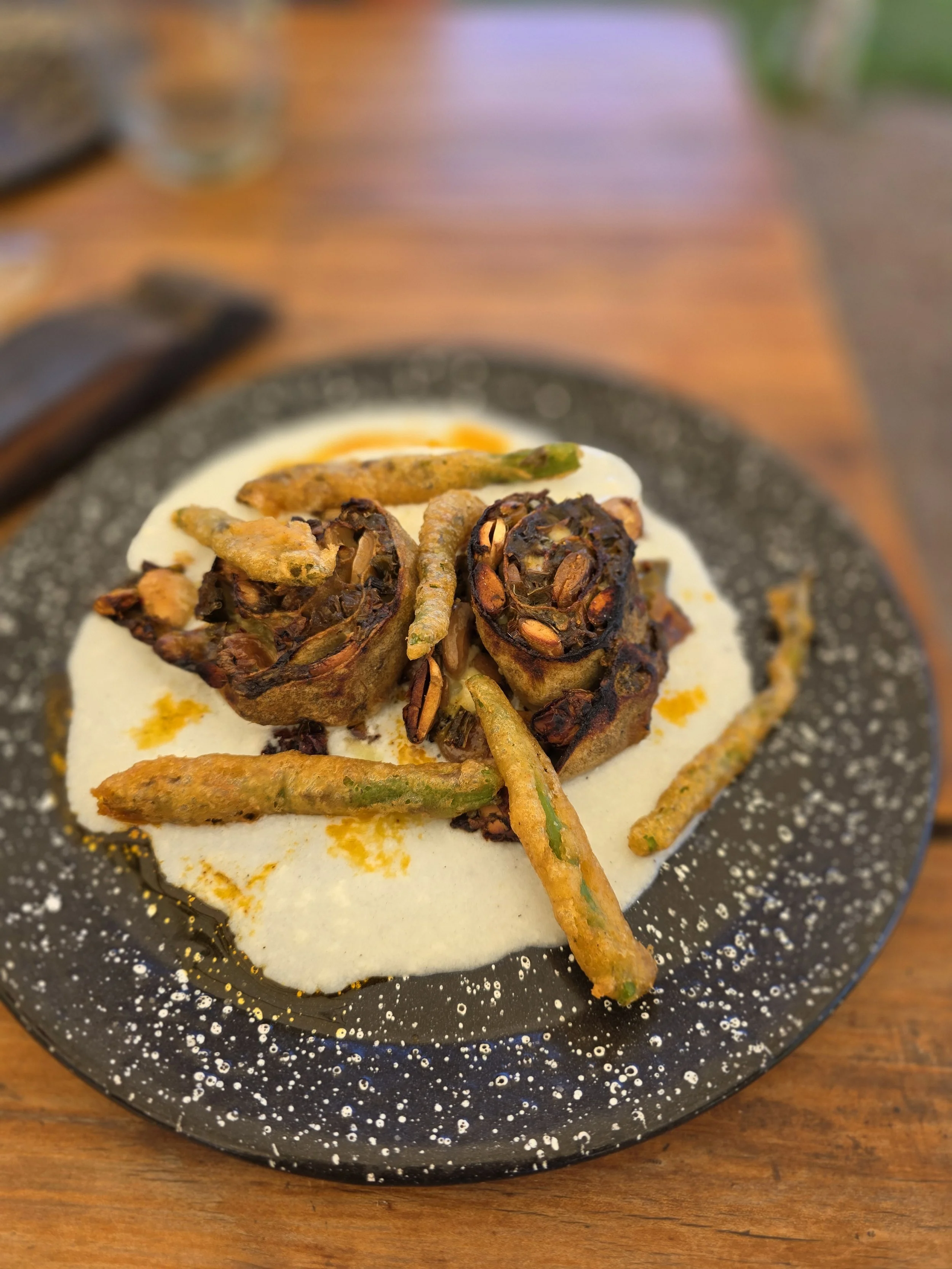
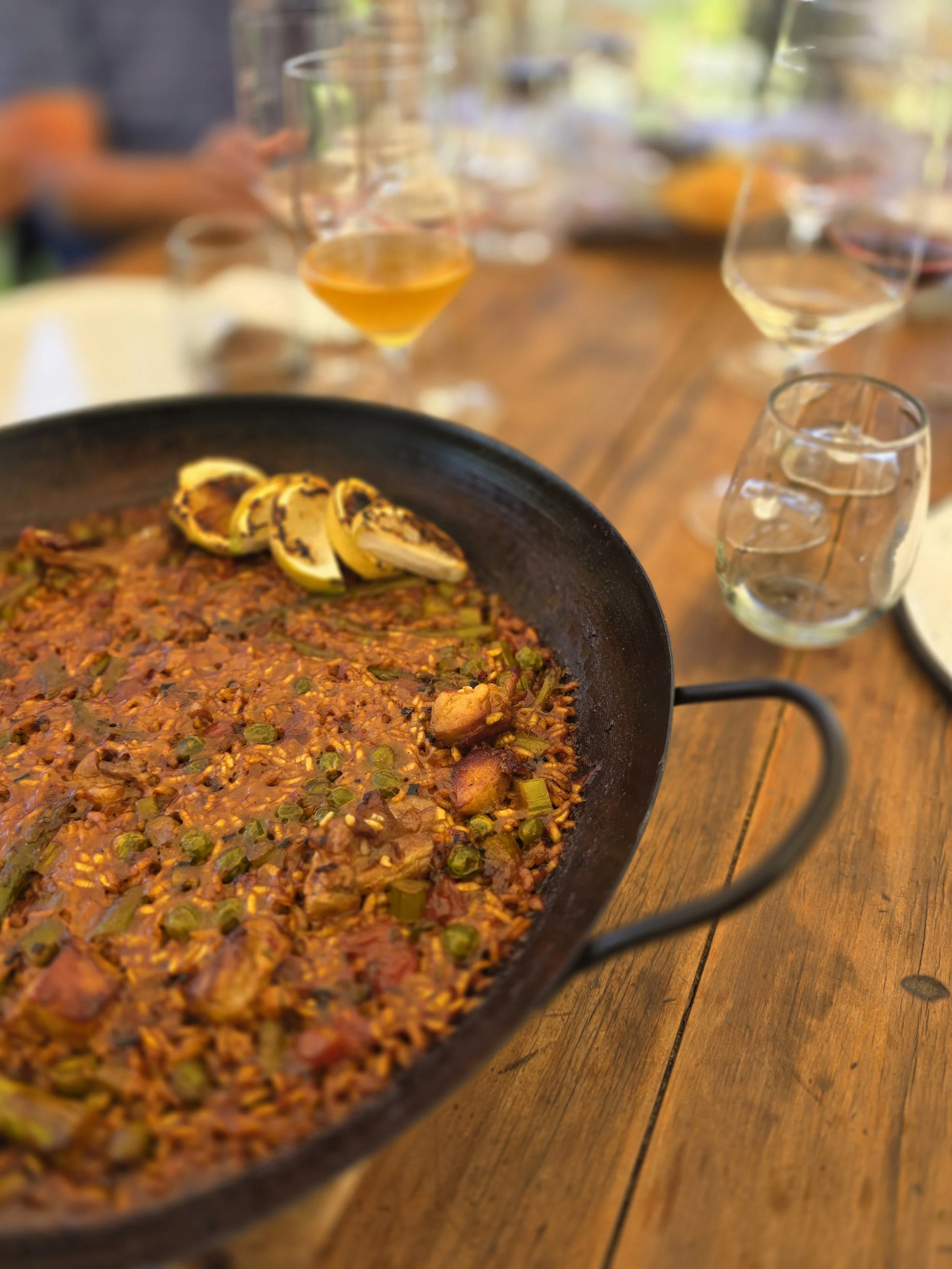
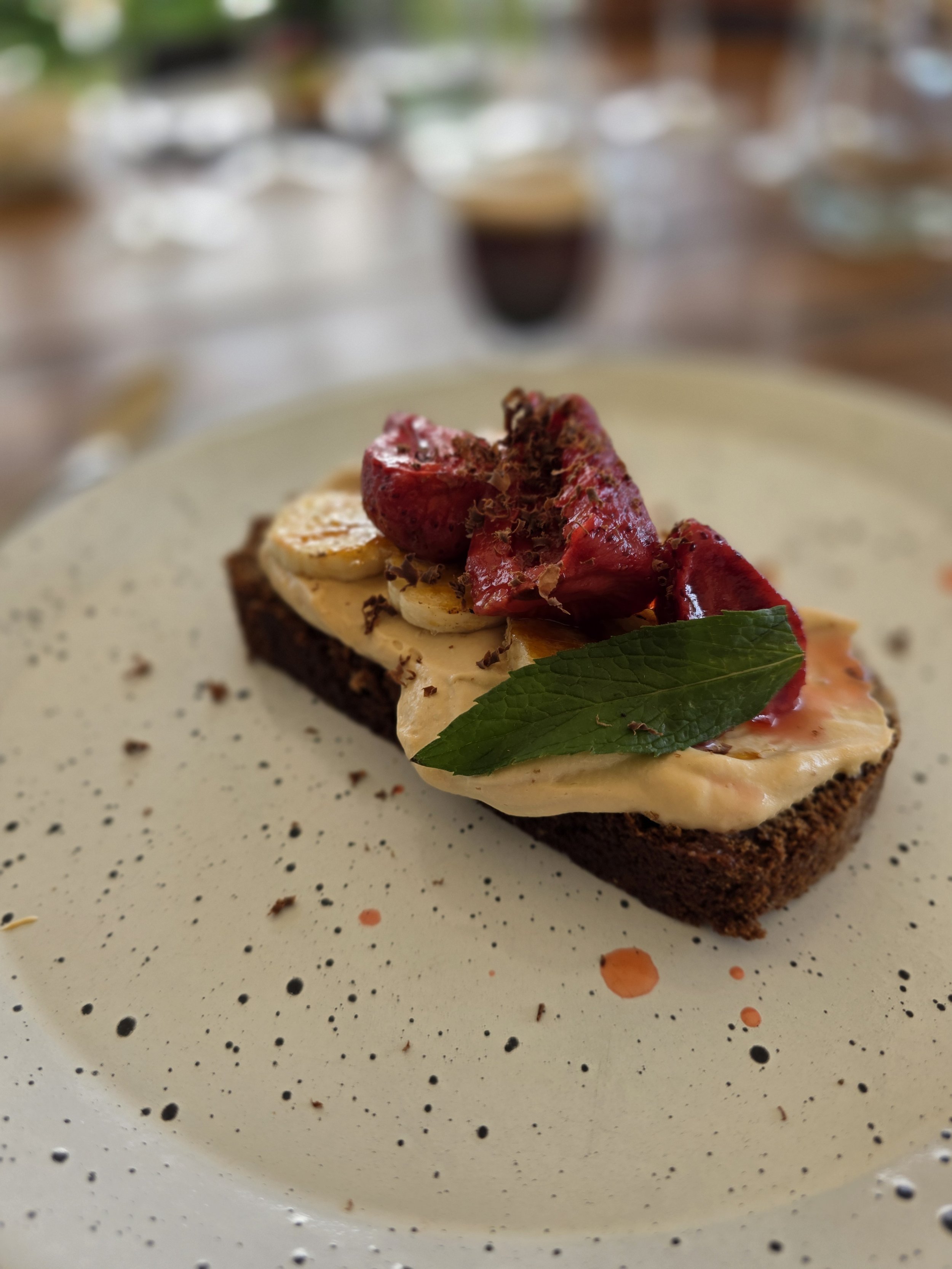
That trip reminded me: celebration isn’t just about the calendar. It’s about presence. About flavor. About the people around the table.
And as the holidays approach, I find myself reflecting on the many tables I’ve known…
I’ve celebrated Christmas in three countries, across three climates, and each one has left its mark.
In Canada, Christmas was cold and cozy. The house smelled of my grandma’s famous pork feet stew and meat pies, and the table overflowed with snacks—potato chips, peanuts, sweets tucked into every corner. My favorite were the amaretto truffles, rich and velvety, eaten slowly or not at all. Greens were rare, cranberry sauce came from a can, and the rhythm was indulgent, familiar, and a little chaotic.
Then came Roatán. Christmas on the beach, with friends and family chasing down a turkey on a Caribbean island. Some years we gave up and settled for resort buffets, laughing over plates of mystery meat and tropical desserts. It was loud, sun-drenched, and full of movement—kids running barefoot, adults sipping rum punch, and the ocean always nearby. It wasn’t traditional, but it was joyful.
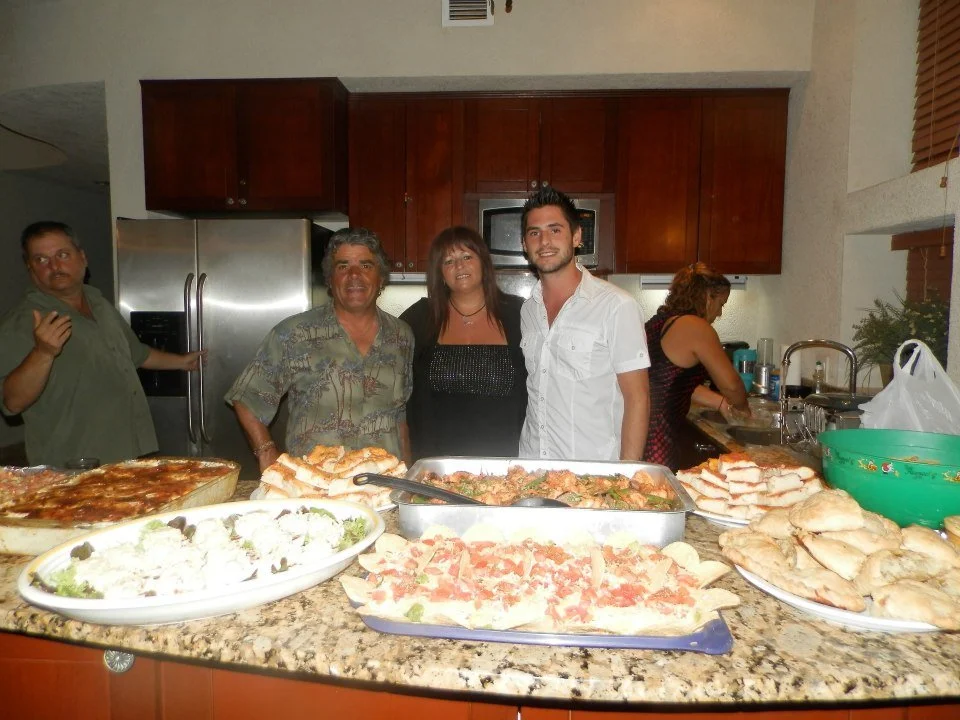
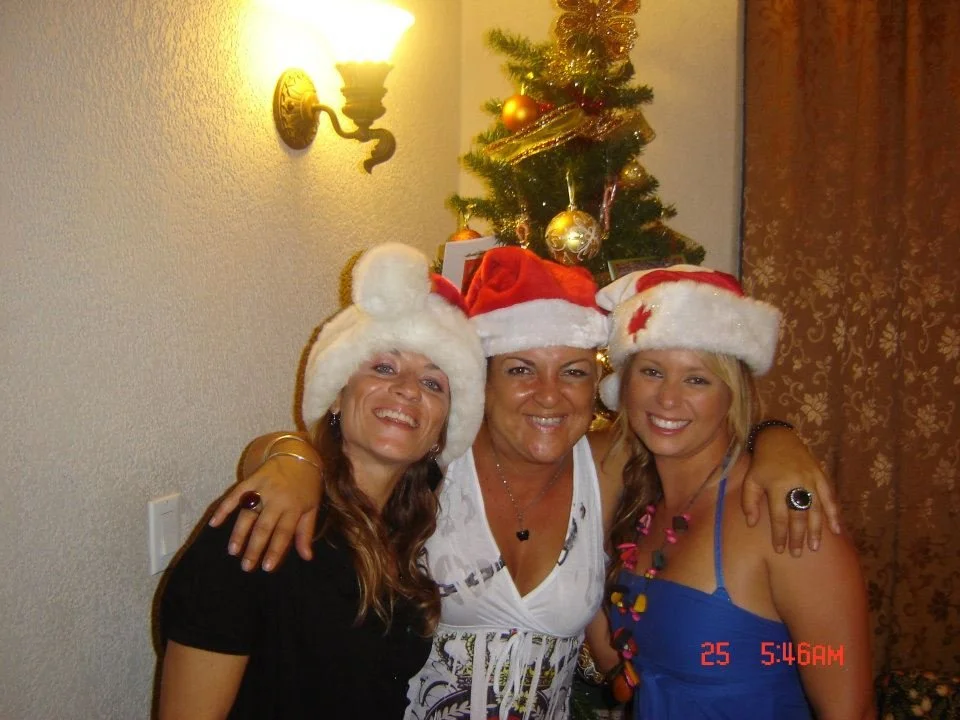

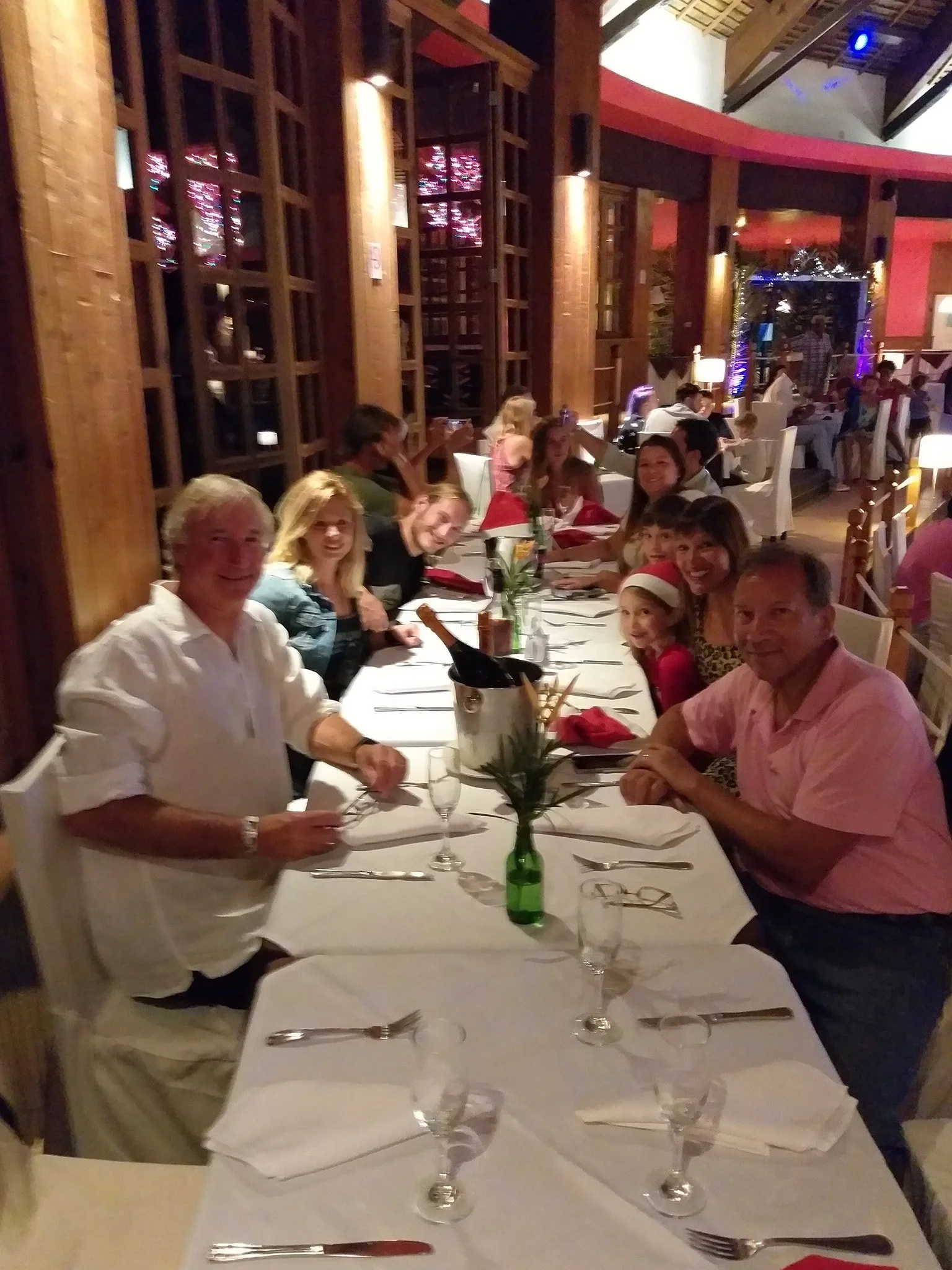
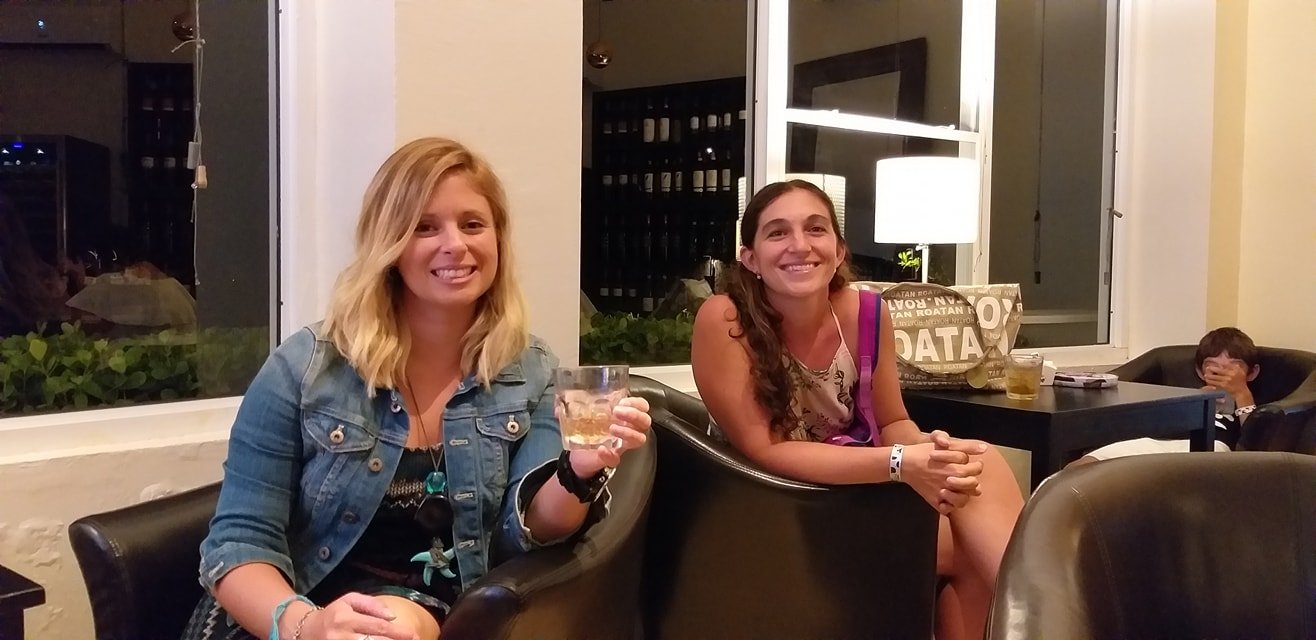
Now, in Argentina, Christmas arrives in the heat of summer. We gather under the willow tree for a long asado, the grill sizzling with meats and vegetables. The table is bright with summer greens, fresh tomatoes, and chilled wine. It’s slower, more spacious. The dogs nap in the shade, and the sheep graze nearby. There’s no snow, no stuffing, but there’s a quiet abundance that feels just as festive.
After all these years and all these tables, one thing stays the same: the pressure to “be good” around food during the holidays. The guilt creeps in with every bite of pie, every second helping, every snack grabbed between meals. And just behind it, the New Year resolution looms—start fresh, eat clean, lose weight, fix what feels broken.
But what if we didn’t rush to fix?
What if we paused, breathed, and gave ourselves grace?
The holidays aren’t a test. They’re a season. A moment. A chance to gather, to taste, to remember. And food is part of that joy—not something to fear or control.
Instead of tracking calories or planning a January cleanse, what if we focused on presence?
On the smell of roasted vegetables, the warmth of a shared meal, the texture of a favorite dessert savored slowly. On laughter around the table, stories passed between bites, and the quiet satisfaction of being nourished.
Balance doesn’t mean perfection. It means choosing with care, eating with intention, and letting joy be part of the recipe.
Food is just one part of the holiday rhythm. To truly feel nourished, we need to care for the spaces around the meal too—our sleep, our movement, our hydration, our emotional pace.
Here are a few rituals I return to, especially during the holidays:
Sleep as digestion’s best friend
Late nights are festive, but rest is restorative. Try to anchor your sleep with small rituals: a warm infusion, a quiet moment, a screen-free hour. Your body will thank you.Hydration with intention
Yes, there will be wine. Maybe cocktails. Maybe bubbly. But alcohol doesn’t hydrate—so balance it with water, herbal teas, or citrus-infused sips throughout the day. I like to keep a carafe nearby, just to remind myself.Gentle movement, not punishment
A walk after the meal. A stretch before bed. Dancing while cooking. Movement doesn’t need to be intense—it just needs to feel good. Let it be part of the joy, not a reaction to guilt.Snack with presence, feast with joy
Plate your treats. Sit down. Taste them. Then arrive at the meal with curiosity, not compensation. Let the textures, smells, and flavors be part of the ritual.Greens as celebration
Add roasted veggies, fresh herbs, or a bright salad to your table—not as a “should,” but as a way to bring color, crunch, and care into the feast.
As the season winds down and the rhythm shifts, some of us feel ready for a reset—not out of guilt, but out of care. If you’re curious about a more personalized approach to nourishment, I’ll be offering Metabolic Balance consultations in the New Year. It’s not a cleanse. It’s not a diet. It’s a way to listen to your body’s unique needs and build a rhythm that feels sustainable. When you’re ready, I’d be honored to walk that path with you.
Whether you’re celebrating with meat pies or summer greens, this dish bring balance and brightness to any holiday spread. It’s simple, flavorful, and rooted in care—just like the season itself.
Maple-Glazed Brussels Sprouts with Toasted Pecans
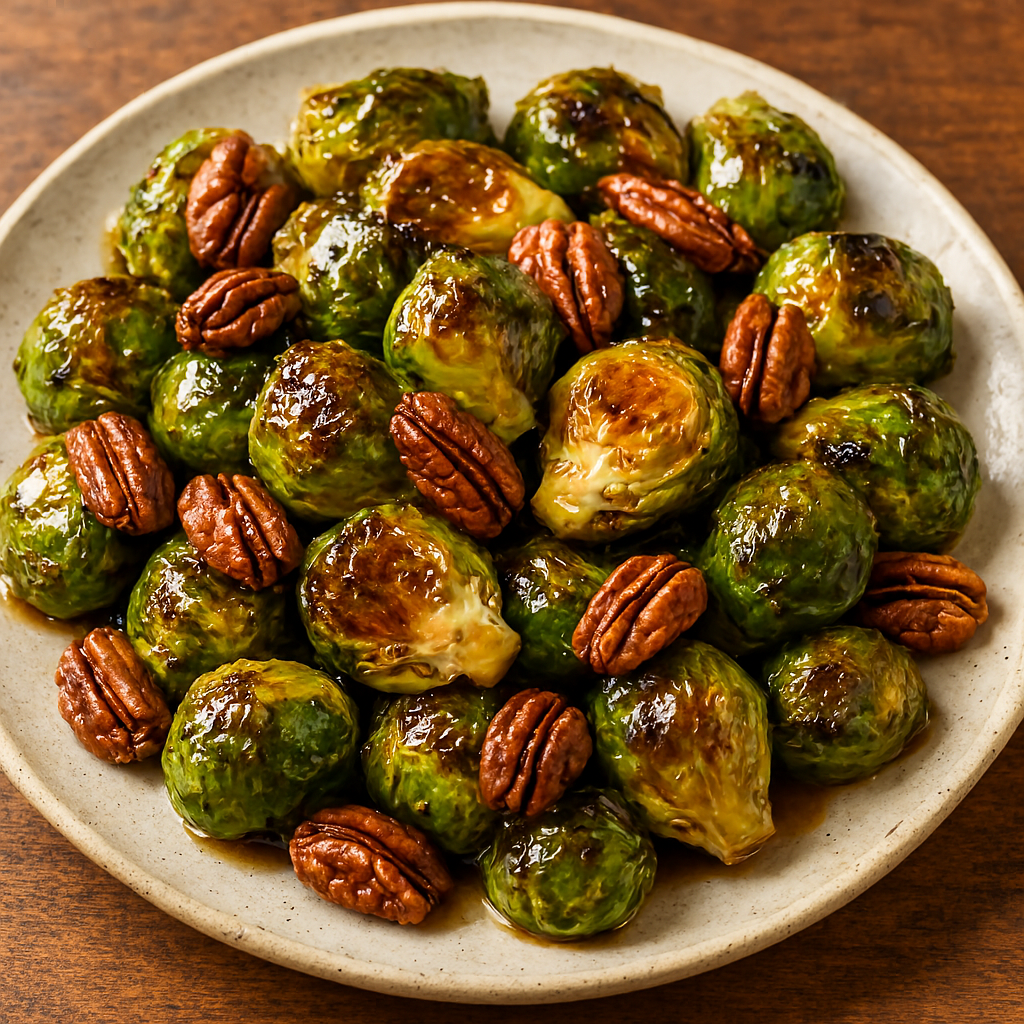
A nod to Canadian winter, but with a nourishing twist.
Ingredients:
500g Brussels sprouts, trimmed and halved and blanched
1 tbsp olive oil
1 tbsp pure maple syrup
1 tsp Dijon mustard
Salt and pepper to taste
¼ cup toasted pecans (or walnuts)
Optional: a splash of apple cider vinegar for brightness
Instructions:
Preheat oven to 200°C (400°F).
Toss sprouts with olive oil, salt, and pepper. Roast for 20–25 minutes until golden.
In a small bowl, whisk maple syrup and mustard.
Drizzle glaze over roasted sprouts, add toasted nuts, and roast 5 more minutes.
Serve warm, with a sprinkle of flaky salt if desired.
Wishing you a season of flavor, memory, and grace—wherever your table may be.
Julie

From Sea to Soil: A New Chapter Begins
Before I planted roots, I taught others to breathe below the surface.
The dock was my classroom, the ocean my co-teacher. Sun on my shoulders, salt in my hair, tank in hand—I spent twelve years guiding divers into the deep, helping them build confidence, stay calm, and discover a world few ever get to see.
Now, I’ve traded fins for boots and tides for fields. The rhythm of the sea still echoes in my bones, but my days are shaped by harvests, fresh air, and the quiet satisfaction of working with what the land gives back.
Before I planted my roots, I taught others how to breathe below the surface.
The dock was my classroom, the ocean my co-teacher. Sun on my shoulders, salt in my hair, tank in hand—I spent twelve years guiding divers into the deep, helping them build confidence, stay calm, and discover a world few ever get to see.
There was a time when my days were spent underwater—teaching, exploring, breathing in rhythm with the ocean. I studied biology in college, but it was scuba diving that truly shaped my early adult life. For over a decade, the sea was my classroom, my playground, my sanctuary.
Then the world changed.
When COVID hit, I had to leave the water behind. I found myself working at a small lodge, where the days blurred and my sense of self began to erode. I felt invisible, like a cog in someone else’s machine. It was a painful chapter—one that made me question my worth and direction.
But slowly, I began to stitch myself back together.
I started teaching Chinese children online, and I picked up knitting and spinning—small acts of creation that gave me back a sense of control and joy. Still, something deeper was calling. I wanted to understand nourishment—not just for the body, but for the soul.
That’s when I enrolled in a nutrition diploma. And everything shifted.
Learning about food, experimenting in the kitchen, making cheese, baking sourdough, preserving the harvest—it awakened something in me. A curiosity. A passion. A sense of purpose.
Now, I’ve traded fins for boots and tides for fields. I live on a farm in Argentina, where I wake up to the sound of sheep calling across the fields. My mornings are for work—feeding animals, prepping meals, getting things done. In the afternoon, mate in hand, I watch my five border collies race across the pasture, chasing shadows and each other with endless energy. I grow, I cook, I create. The rhythm of the sea still echoes in my bones, but my days are shaped by harvests, fresh air, and the quiet satisfaction of working with what the land gives back.
This blog is my way of sharing that journey—past, present, and future.
It’ll be a mix of stories, recipes, reflections, and maybe a few muddy farm tales. It’s not perfect, and neither am I. But it’s real. And it’s mine.
Welcome to my world.
Julie